
The way people discover, compare, and choose businesses has changed dramatically. Today, customers search on Google, explore social media, read reviews, visit websites, and compare multiple brands before making a decision.
That is why having a strong digital presence is no longer optional for businesses. In 2026, a well-planned digital marketing strategy can help businesses build visibility, attract the right audience, generate qualified leads, and create long-term growth.
Whether you are a small local business, an established company, or a growing startup, digital marketing gives you the opportunity to reach potential customers where they already spend their time — online.
What Is a Digital Marketing Strategy?
A digital marketing strategy is a planned approach to promoting your business through online channels.
It can include:
- Search Engine Optimization (SEO)
- Social Media Marketing
- Google Ads and PPC
- Content Marketing
- Website Development and Optimization
- Email Marketing
- Local SEO
- Online Reputation Management
- Branding and Creative Marketing
The goal isn’t simply to get more website visitors or social media followers. A successful strategy connects your online marketing efforts with your actual business goals — whether that means generating leads, increasing sales, building brand awareness, or reaching new customers.
1. Your Customers Are Already Online
Your potential customers are searching for businesses, products, and services online every day.
Before contacting a company, many people first check its website, Google presence, social media profiles, reviews, and online reputation.
If your business doesn’t have a strong online presence, customers may simply choose a competitor that is easier to find and appears more trustworthy.
A strong digital marketing strategy makes sure your business is visible when your target audience is actively looking for what you offer.
2. SEO Helps You Get Found on Google
Search Engine Optimization is one of the most valuable long-term digital marketing strategies.
When someone searches for a product or service related to your business, appearing prominently in search results can bring highly relevant traffic to your website.
A strong SEO strategy may include:
- Keyword research
- Technical SEO
- On-page optimization
- High-quality content
- Local SEO
- Link building
- Website speed optimization
- Mobile optimization
Unlike paid advertising, SEO can continue generating organic traffic over time when it is consistently maintained and improved.
3. Social Media Builds Brand Awareness
Social media is more than a place to post promotional content.
Platforms such as Instagram, Facebook, LinkedIn, and other social channels allow businesses to showcase their products, communicate with customers, share expertise, and build a recognizable brand.
Consistent social media marketing can help you:
Build awareness → Create engagement → Build trust → Generate enquiries → Grow your business
The key is to create content that is useful, relevant, and aligned with your target audience instead of simply posting advertisements.
4. Your Website Is Your Digital Storefront
Your website is often the first serious interaction a potential customer has with your business.
A modern website should be:
- Fast
- Mobile-friendly
- Easy to navigate
- Visually professional
- Search-engine friendly
- Clear about your services
- Designed with strong calls-to-action
A beautiful website alone isn’t enough. It should also guide visitors toward taking action — such as making an enquiry, booking a consultation, calling your business, or purchasing a product.
5. Digital Marketing Helps You Reach the Right Audience
Traditional advertising can make it difficult to know exactly who is seeing your message.
Digital marketing allows businesses to target audiences based on factors such as location, interests, search behaviour, demographics, and online activity.
For example, a local service business can focus its marketing efforts on customers within a specific city or service area rather than spending its entire advertising budget on a broad audience.
This makes digital marketing more targeted and measurable.
6. Paid Advertising Can Deliver Faster Results
SEO is excellent for long-term growth, but businesses sometimes need immediate visibility.
This is where platforms such as Google Ads and social media advertising can help.
Paid campaigns can put your business in front of potential customers much faster and allow you to control factors such as:
- Target audience
- Location
- Budget
- Keywords
- Ad messaging
- Landing pages
- Campaign objectives
The important part is not simply spending money on ads. Successful PPC campaigns require proper keyword research, compelling ad copy, optimized landing pages, and continuous performance analysis.
7. Content Helps Build Trust
People don’t just buy products or services — they buy from businesses they trust.
Useful content can help establish your brand as knowledgeable and reliable.
Your content strategy could include:
- Blog articles
- Educational guides
- Case studies
- FAQs
- Social media posts
- Videos
- Customer success stories
- Industry insights
Instead of constantly asking customers to buy, provide information that helps them solve problems and make better decisions.
That is how content can turn a business from simply being visible online into a trusted brand.
8. Online Reviews Influence Buying Decisions
Reviews have become an important part of the customer journey.
Before choosing a business, potential customers may look at Google reviews, testimonials, ratings, and customer experiences.
Encouraging genuine customer feedback and responding professionally to reviews can help strengthen your online reputation.
A strong reputation can also make your other marketing efforts more effective because customers are more likely to trust a business that has positive experiences associated with it.
9. Digital Marketing Gives You Measurable Results
One of the biggest advantages of digital marketing is the ability to measure performance.
Businesses can track metrics such as:
- Website traffic
- Search rankings
- Leads
- Conversion rates
- Ad performance
- Social media engagement
- Cost per lead
- Customer acquisition
This data helps businesses understand what is working and where improvements are needed.
Instead of guessing where your marketing budget is going, you can make decisions based on actual performance.
10. Your Competitors Are Already Investing Online
In almost every industry, competitors are competing for the same customers online.
They may already be:
- Ranking for important keywords
- Running Google Ads
- Growing their social media presence
- Publishing content
- Collecting customer reviews
- Improving their websites
If your business stays invisible while competitors continue building their digital presence, closing that gap later can become much more difficult.
A strong strategy helps your business compete instead of simply keeping up.
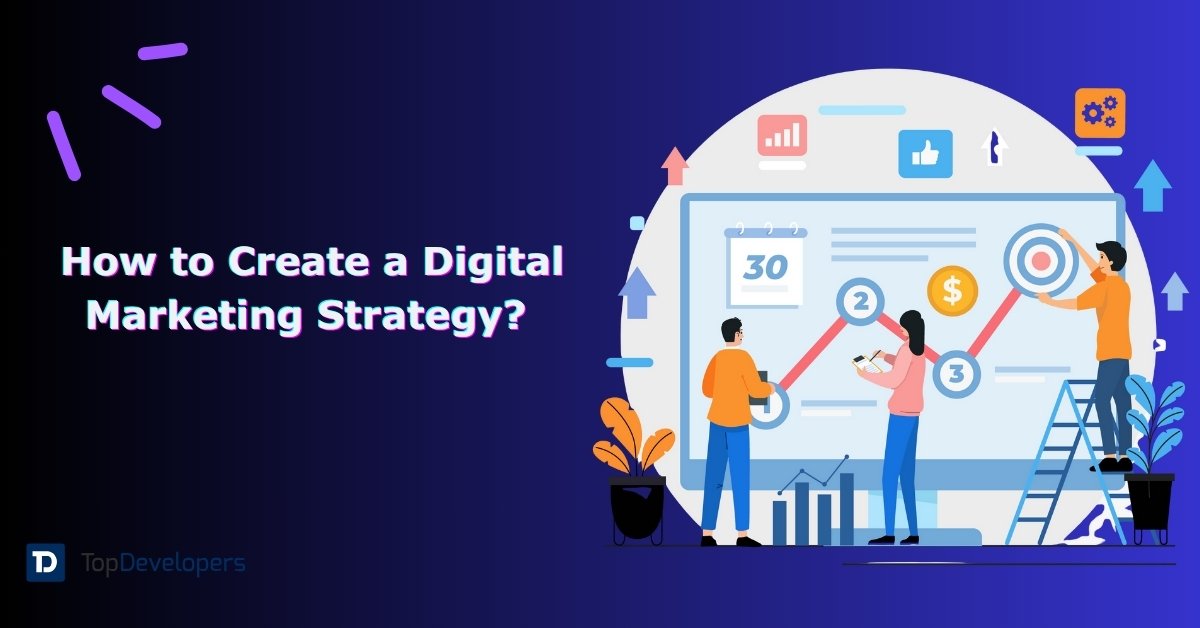
How to Build a Strong Digital Marketing Strategy in 2026
A successful digital marketing strategy should be built around your specific business goals.
Start with these steps:
Step 1: Define Your Goals
Decide what you want to achieve.
Do you want more leads? More sales? Better brand awareness? More local customers?
Step 2: Understand Your Target Audience
Identify who your ideal customers are, what they need, what problems they face, and how they search for solutions.
Step 3: Analyze Your Competition
Study your competitors’ websites, SEO, social media, advertising, content, reviews, and overall online presence.
Step 4: Choose the Right Channels
You don’t necessarily need to be everywhere.
Focus on the platforms and marketing channels where your target customers are most active.
Step 5: Create Valuable Content
Publish content that answers customer questions, solves problems, demonstrates expertise, and supports your SEO strategy.
Step 6: Track and Improve
Monitor your results regularly and adjust your strategy based on performance data.
Digital marketing isn’t a one-time task. It is an ongoing process of testing, learning, and improving.
Final Thoughts
In 2026, having a website alone is not enough to build a strong online presence.
Businesses need a complete digital marketing strategy that combines SEO, social media, content, paid advertising, website optimization, branding, and data-driven decision-making.
The businesses that understand their audience, create valuable digital experiences, and consistently adapt to changing online behaviour will have a stronger opportunity to attract customers and grow.
Your customers are already online. The question is — can they find you?
Ready to Grow Your Business Online?
Let’s create a digital marketing strategy designed around your business goals, target audience, and growth opportunities.
Get in Touch With Our Digital Marketing Team →